
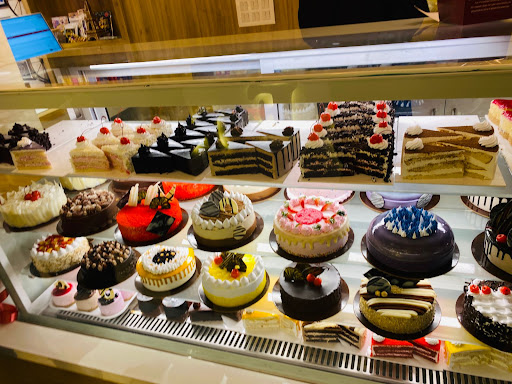
Stepping into a Mysore bakery isn’t just about sweet indulgence; it’s like stumbling upon a hidden garden where recipes whisper secrets across generations. Forget the sterile uniformity of giant chain stores. Here, behind glass cases glittering with vibrant colors, lies an artisanal identity—a delicate mosaic built from cardamom-laced batters and the precise, patient flick of a seasoned baker’s wrist. It’s an unscripted narrative, far richer than any glossy online photo, proving that the truest flavor of a place is baked in, not filtered on. We’re pulling back that polished curtain to see the soul stirring in those Mysore ovens.
- The Palate of Place: Integrating Local Flavors and Aromas
- Craftsmanship Over Automation: Tracing the Baker’s Hands
- The Economics of Slow Food: Ingredient Sourcing and Quality Commitments
- Navigating Tradition: Reinterpreting Heritage Recipes for the Modern Consumer
- Visual Storytelling: How Digital Presentation Reflects, or Distorts, Handmade Value
- The Palate of Place: Integrating Local Flavors and Aromas
- Craftsmanship Over Automation: Tracing the Baker’s Hands
- The Economics of Slow Food: Ingredient Sourcing and Quality Commitments
- Navigating Tradition: Reinterpreting Heritage Recipes for the Modern Consumer
- Visual Storytelling: How Digital Presentation Reflects, or Distorts, Handmade Value
- What primary factors differentiate the artisanal identity of this Mysore cake shop from more conventional, large-scale commercial bakeries?
- How does the shop leverage Mysore’s cultural context to inform its branding and product design?
- In what ways is the ‘filtered lens’ of digital marketing countered or reinforced by the shop’s tangible, artisanal presentation?
- What metrics or observable characteristics define the success of maintaining an artisanal ethos amidst pressures for scalability?
Unpacking the Palate: Where Tradition Meets Texture in Mysore’s Artisan Cake Scene
The cake fantasy
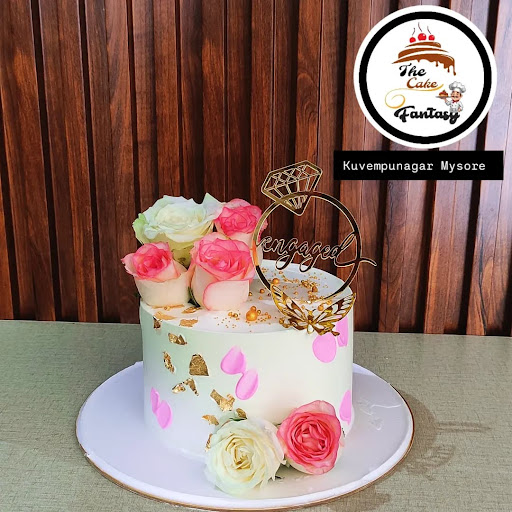
237, 1st Main Rd, Kuvempu Nagar 1st Stage, Kuvempu Nagara, Mysuru, Karnataka 570023, India
+91 81979 56601
| Friday | Open 24 hours |
| Saturday | Open 24 hours |
| Sunday | Open 24 hours |
| Monday | Open 24 hours |
| Tuesday | Open 24 hours |
| Wednesday | Open 24 hours |
| Thursday | Open 24 hours |
Cake of the day
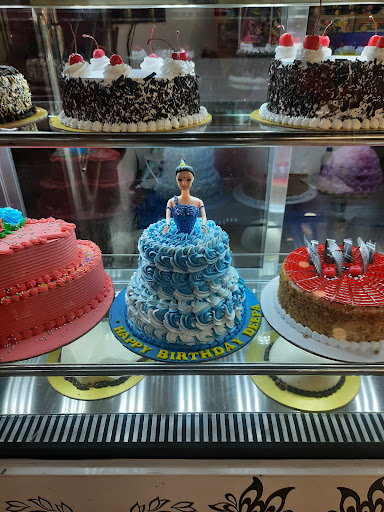
7th Cross Rd, Vani Vilas Mohalla, Mysuru, Karnataka 570002, India
+91 78995 51403
| Friday | 9 AM–10 PM |
| Saturday | 9 AM–10 PM |
| Sunday | 9 AM–10 PM |
| Monday | 9 AM–10 PM |
| Tuesday | 9 AM–10 PM |
| Wednesday | 9 AM–10 PM |
| Thursday | 9 AM–10 PM |
7TH HEAVEN KUVEMPUNAGAR
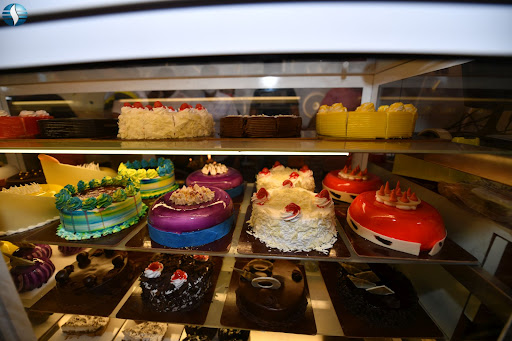
666, Twinkle Mansion, Chitrabhanu Road, near Basudev somani college, Kuvempu Nagara, Mysuru, Karnataka 570023, India
+91 78927 77513
| Friday | 9:30 AM–9:30 PM |
| Saturday | 9:30 AM–9:30 PM |
| Sunday | 9:30 AM–9:30 PM |
| Monday | 9:30 AM–9:30 PM |
| Tuesday | 9:30 AM–9:30 PM |
| Wednesday | 9:30 AM–9:30 PM |
| Thursday | 9:30 AM–9:30 PM |
Fast Cake
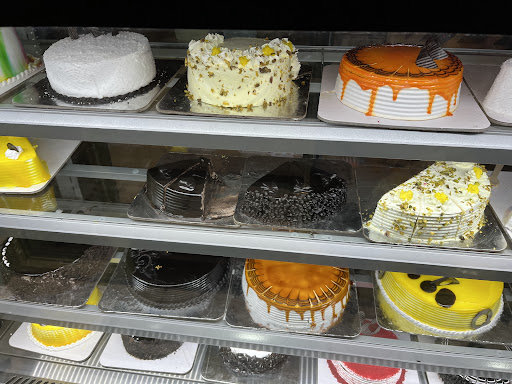
386,5th Main, Kalidasa Rd, beside MUDA Commercial complex, Vijayanagar 1st Stage, Mysuru, Karnataka 570017, India
+91 90086 01919
| Friday | 10 AM–10 PM |
| Saturday | 10 AM–10 PM |
| Sunday | 10 AM–10 PM |
| Monday | 10 AM–10 PM |
| Tuesday | 10 AM–10 PM |
| Wednesday | 10 AM–10 PM |
| Thursday | 10 AM–10 PM |
THE CAKE ROOM
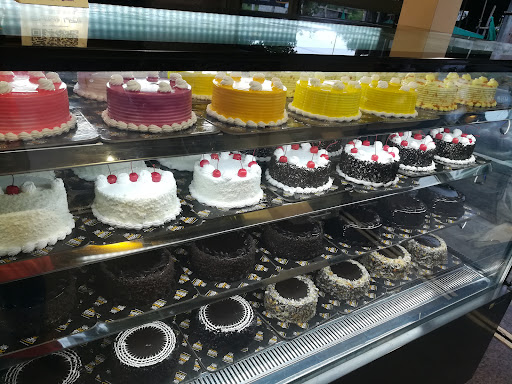
1073, Sri Jayachamarajendra College of Engineering Rd, Block I, Ramakrishnanagar, Mysuru, Karnataka 570023, India
+91 96329 26322
| Friday | 8 AM–11:45 PM |
| Saturday | 8 AM–11:45 PM |
| Sunday | 8 AM–11:45 PM |
| Monday | 8 AM–11:45 PM |
| Tuesday | 8 AM–11:45 PM |
| Wednesday | 8 AM–11:45 PM |
| Thursday | 8 AM–11:45 PM |
The Bake House
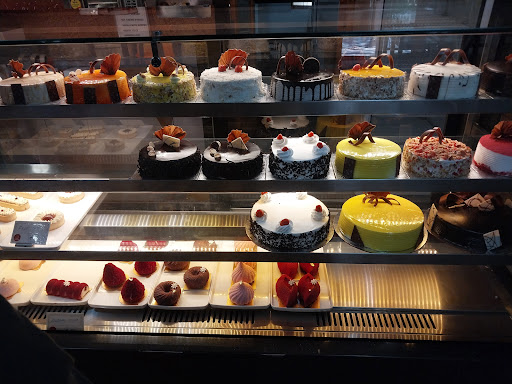
Block JCST Layout, 47/E M, opp. HDFC bank, near bus depot, Kuvempu Nagar 1st Stage, Kuvempu Nagara, Mysuru, Karnataka 570023, India
+91 63665 88889
| Friday | 9:30 AM–10 PM |
| Saturday | 9:30 AM–10 PM |
| Sunday | 9:30 AM–10 PM |
| Monday | 9:30 AM–10 PM |
| Tuesday | 9:30 AM–10 PM |
| Wednesday | 9:30 AM–10 PM |
| Thursday | 9:30 AM–10 PM |
Theobroma Bakery and Cake Shop – Kuvempunagar, Mysore
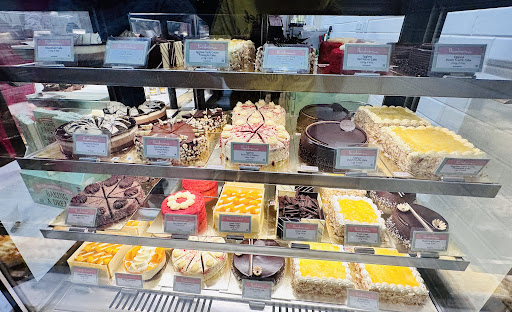
Shop No. 8, Mahanagar Palike III Circle, Vishwamanava Double Road, Kuvempunagara North, Kuvempu Nagara, Mysuru, Karnataka 570009, India
+91 81828 81881
4.3/5 (Leer Las Opiniones)
| Friday | 8 AM–11 PM |
| Saturday | 8 AM–11 PM |
| Sunday | 8 AM–11 PM |
| Monday | 8 AM–11 PM |
| Tuesday | 8 AM–11 PM |
| Wednesday | 8 AM–11 PM |
| Thursday | 8 AM–11 PM |
SAPA Sourdough & Pastry
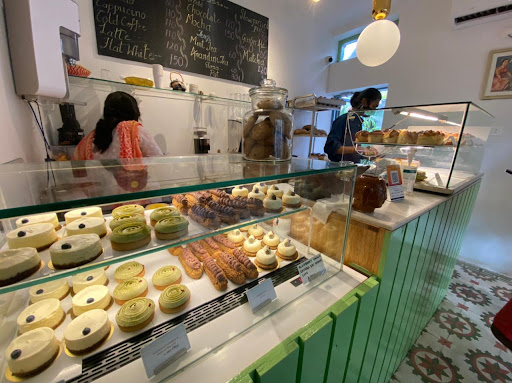
3037, 1st Main Rd, Gokulam 1st Stage, Gokulam, Mysuru, Karnataka 570002, India
+91 63605 71579
| Friday | 9 AM–8:30 PM |
| Saturday | 9 AM–8:30 PM |
| Sunday | 9 AM–8:30 PM |
| Monday | Closed |
| Tuesday | 9 AM–8:30 PM |
| Wednesday | 9 AM–8:30 PM |
| Thursday | 9 AM–8:30 PM |
7th Heaven Cakes and Desserts Kalidasa road Mysore
No 16 Ground Floor, Next to Karnataka Bank VV Mohalla, Kalidasa Rd, Jayalakshmipuram, Mysuru, Karnataka 570012, India
+91 90710 77977
4.7/5 (Leer Las Opiniones)
| Friday | 9:30 AM–10 PM |
| Saturday | 9:30 AM–10 PM |
| Sunday | 9:30 AM–10 PM |
| Monday | 9:30 AM–10 PM |
| Tuesday | 9:30 AM–10 PM |
| Wednesday | 9:30 AM–10 PM |
| Thursday | 9:30 AM–10 PM |
Theobroma Bakery and Cake Shop – Jayalaxmipuram, Mysore

90, Ground Floor, near Taaja Thindi (Unit of NDH Hospitality Services, Kalidasa Rd, 3rd A Block, Jayalakshmipuram, Mysuru, Karnataka 570002, India
+91 81052 56213
4.5/5 (Leer Las Opiniones)
| Friday | 8 AM–11 PM |
| Saturday | 8 AM–11 PM |
| Sunday | 8 AM–11 PM |
| Monday | 8 AM–11 PM |
| Tuesday | 8 AM–11 PM |
| Wednesday | 8 AM–11 PM |
| Thursday | 8 AM–11 PM |
Unraveling the Layers: Authenticity Beyond the Instagram Grid
The journey into understanding the artisanal identity of this Mysore cake shop demands more than just a superficial scroll through perfectly curated social media feeds; it requires us to look deeper into the processes, the ingredient sourcing, and the generational wisdom shaping every crumb. What exactly defines “artisanal” in the context of Indian confectionery, especially when juxtaposed against the globalized perfection often favored online? It’s in the hand-beaten icings, the local adaptation of classic European recipes, and the unwavering commitment to quality ingredients, often procured directly from local farmers and spice merchants, that the shop’s true, unfiltered narrative emerges, cementing its place as a unique cultural and culinary beacon in the heart of Karnataka.
The Palate of Place: Integrating Local Flavors and Aromas
Craftsmanship Over Automation: Tracing the Baker’s Hands
The Economics of Slow Food: Ingredient Sourcing and Quality Commitments
Navigating Tradition: Reinterpreting Heritage Recipes for the Modern Consumer
Visual Storytelling: How Digital Presentation Reflects, or Distorts, Handmade Value
The Palate of Place: Integrating Local Flavors and Aromas
Discovering the heartbeat of the shop’s unique offerings means keenly observing how classic baking structures embrace the vibrant, pungent world of local Mysore flavors. Are they merely using cardamom as a novelty, or are they integrating mature, estate-grown spices—perhaps the intensely aromatic Saffron threads from neighboring regions or the slight acidity of locally cultivated citrus rinds—into buttery foundations? This interplay between imported technique and indigenous ingredients doesn’t just flavor the cakes; it writes a localized history on the tongue, making each bite an unmistakable product of its geographical setting.
Craftsmanship Over Automation: Tracing the Baker’s Hands
When we talk about artisanal identity, we speak of the undeniable imprint left by the baker—a subtle difference in the crumb structure that only manual techniques can achieve versus mass production. Observe the decoration, where piped florets may possess minute, endearing variations, or where glazes possess a natural, slightly imperfect sheen. This commitment to hands-on skill, often demanding hours more labor than automated processes, signals a dedication not to output volume, but to the integrity of the process, serving as a tangible defense against homogenized, factory-made uniformity.
The Economics of Slow Food: Ingredient Sourcing and Quality Commitments
The decision to choose a locally sourced Madagascar vanilla bean supplier over a bulk synthetic flavoring agent is not merely an aesthetic choice; it’s an economic statement reflecting the shop’s core values. True artisanal identity thrives on transparency regarding where precious inputs originate, often resulting in higher upfront costs that customers seeking authenticity are implicitly willing to bear. This necessitates a robust supply chain narrative, where supporting local agriculture becomes intrinsically woven into the brand’s premium positioning against competitors reliant solely on cheap, global commodities.
Navigating Tradition: Reinterpreting Heritage Recipes for the Modern Consumer
Every community holds cherished culinary archives, and an artisanal shop often acts as the contemporary custodian of these tastes, delicately translating ancestral sweetness—perhaps inspired by traditional Indian *mithai* techniques—for a palate accustomed to refined Western patisserie. This act of cultural translation requires finesse: preserving the soul of the original flavor while adjusting textures or sugar levels to meet contemporary dietary expectations, ensuring that heritage flavors remain relevant and irresistible to a new generation.
Visual Storytelling: How Digital Presentation Reflects, or Distorts, Handmade Value
While the cakes are physically artisanal, the digital storefront—the photographs we see online—can ironically dilute or enhance this very identity. If the images feature overly stylized, almost synthetic lighting or unnatural color grading, they risk presenting a fabricated perfection that masks the natural beauty of handmade imperfections. Conversely, if the photography leans into the textures, the slightly uneven dusting of powdered sugar, or the genuine steam rising from a fresh batch, the digital narrative powerfully reinforces the tactile, laborious artistry inherent in the physical product.
More information
What primary factors differentiate the artisanal identity of this Mysore cake shop from more conventional, large-scale commercial bakeries?
The artisanal identity is distinctly forged through a meticulous commitment to traditional, slow-fermentation techniques and the exclusive use of locally sourced, often heritage, ingredients unavailable to mass producers. This contrasts sharply with commercial operations prioritizing volume and standardization, whereas the Mysore shop emphasizes nuanced flavor profiles achieved via dedicated, small-batch processes, underscoring a profound connection to regional culinary heritage.
How does the shop leverage Mysore’s cultural context to inform its branding and product design?
The shop strategically integrates visual motifs drawn from Mysore’s royal patronage and vibrant cultural tapestry—evident in the lacquered finishes and specific geometric patterns reminiscent of Mysore heritage arts—into its packaging and architectural detailing. Furthermore, the menu subtly incorporates indigenous flavor components, translating local aesthetics and ingredients into a sophisticated, recognizable gastronomic narrative.
In what ways is the ‘filtered lens’ of digital marketing countered or reinforced by the shop’s tangible, artisanal presentation?
While digital platforms necessitate visual appeal, the shop’s true counter-strategy lies in the tactile authenticity of its final products—the imperfect textures and genuine richness that resist overly polished digital rendering. The online presentation is calibrated to evoke curiosity regarding this inherent material quality, using sophisticated, understated photography that hints at the unmediated experience waiting in-store, rather than flattening the product’s dimensionality.
What metrics or observable characteristics define the success of maintaining an artisanal ethos amidst pressures for scalability?
Success is principally measured by the consistency of product excellence and sustained, loyal patronage rather than exponential growth, reflecting a choice for depth over breadth. Observable indicators include the persistence of time-intensive preparation methods, customer feedback centering on ingredient integrity, and the maintenance of premium pricing justified by uncompromising material and labor quality, signifying an adherence to preservation rather than mass adaptation.

Añadir comentario